
Press release, 12.02.2026.
József Jekelfalussy, a key figure in the official statistical service passed away 125 years ago
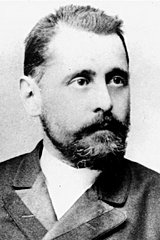 József Jekelfalussy, the second director of the Hungarian Central Statistical Office (HCSO), who made invaluable contributions to the institutional consolidation of Hungarian official statistics, passed away 125 years ago, on 12 February 1901. He is credited with modernizing the operation of the HCSO and played a decisive role in establishing the Office's headquarters, still in use today.
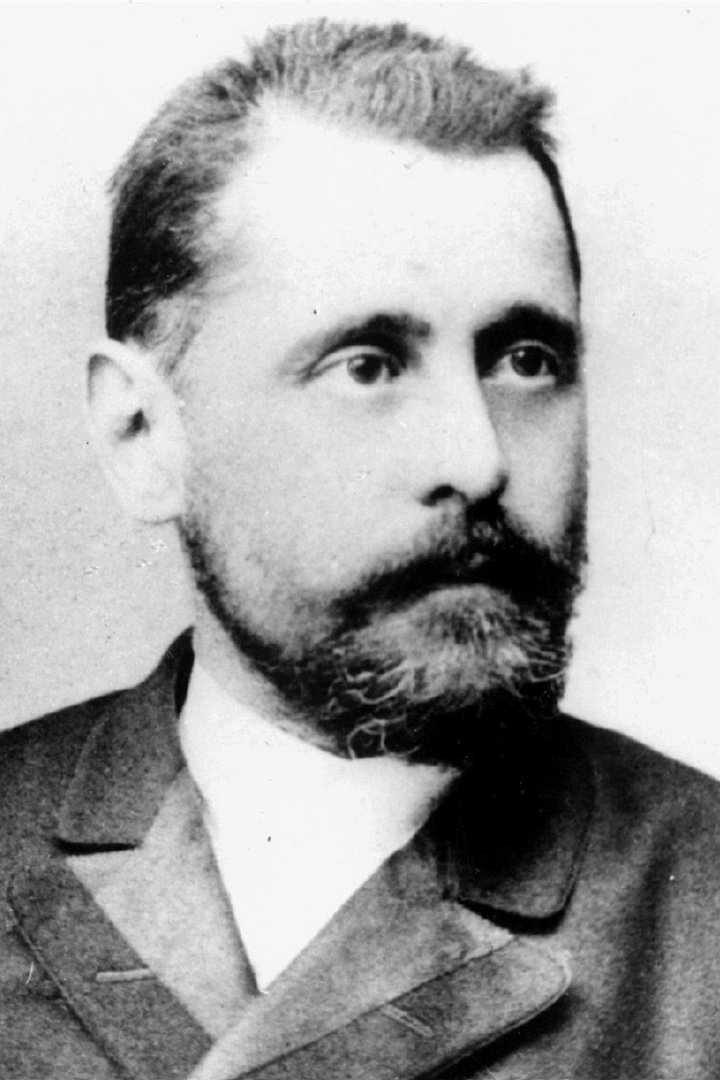
József Jekelfalussy was born in Rimaszombat in 1849. He began his career at the Statistical Department of the Ministry of Agriculture, Industry and Trade in 1869, where he completed the statistical training course. He was a fellow worker of the Department since its institution into the Statistical Office, while obtaining a law and then a lawyer's degree. He quickly rose through the ranks: from 1883 he headed the Presidential Department as a direct colleague of Károly Keleti, and in 1888 he was appointed Deputy Director. After Keleti's death in 1892, he took over the management of the institution.
Publications were renewed, data communication became more regular and transparent, and data collection became even better grounded from professional point of view under his leadership.The culmination of his work was his contribution in preparing Act XXXV of 1897, which settled the framework of official statistics for many years to come and raised data supply and data protection to legislation status. His most visible legacy, however, is the stately head office of the HCSO, still in use today, inaugurated in 1898 thanks to his persistent efforts, providing the institution with a permanent and worthy home.
Prestigious studies and comprehensive works represent his scientific activity; he made a lasting contribution in both applied statistics and statistical science. His merits were recognized by the Hungarian Academy of Sciences with corresponding membership in 1888 and full membership in 1892.
He passed away on 12 February 1901, after a long illness. His life's work is a defining chapter in the foundation and modernization of the Hungarian statistics: through his results he vitally contributed to the consolidation of the prestige and institutional stability of official statistics. His career and legacy are still an example of professional excellence, dedication, and the spirit of public service.
Hungarian Central Statistical Office
H-1024 Budapest, Keleti Károly utca 5–7. Phone number: (+36-1) 345-6000
Postal address: H-1525 Budapest, P.O.Box 51
www.ksh.hu